
The 500-Year-Old Secret Hidden Beneath the Fjord

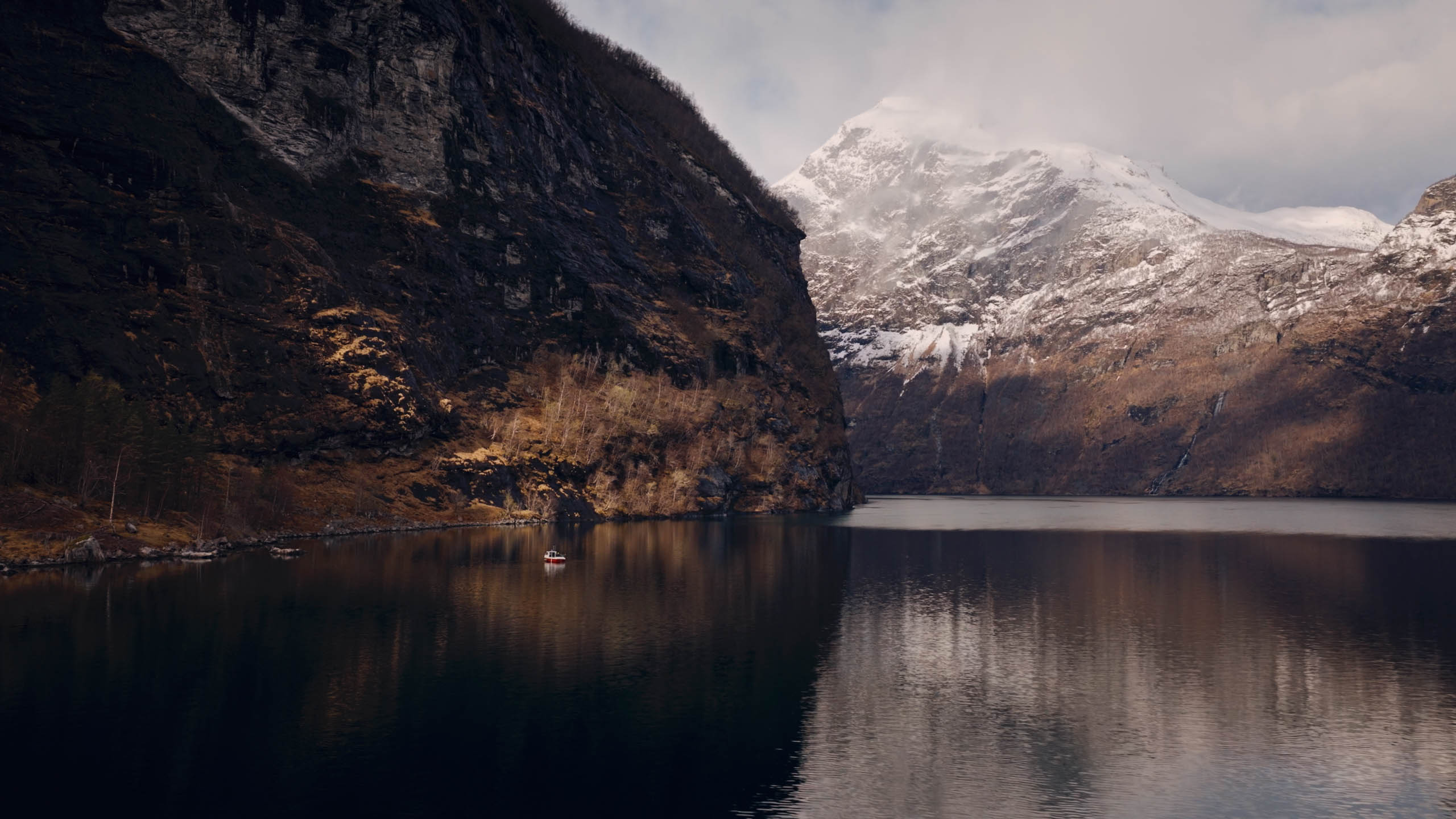
Standing in Geiranger and looking out over the water, it is easy to believe that all the grandeur is right there in front of you. But it turns out, the fjord has been keeping a secret.
Foto Hyke Studio

The Fjord has been Keeping a Secret

Down in the freezing, pitch-black depths where sunlight never reaches, a hidden treasure has been growing quietly. Estimated to be hundreds of years old, these deep-sea structures have remained unseen by human eyes. In 2025, we sent a remote-operated underwater vehicle (ROV) down to the fjord floor to map our marine biology. What was found changes our understanding of The West Norwegian Fjords forever.

Watch our short documentary on the deep-sea expedition and meet the researchers and locals protecting this new frontier.

When the Lights Hit the Bottom

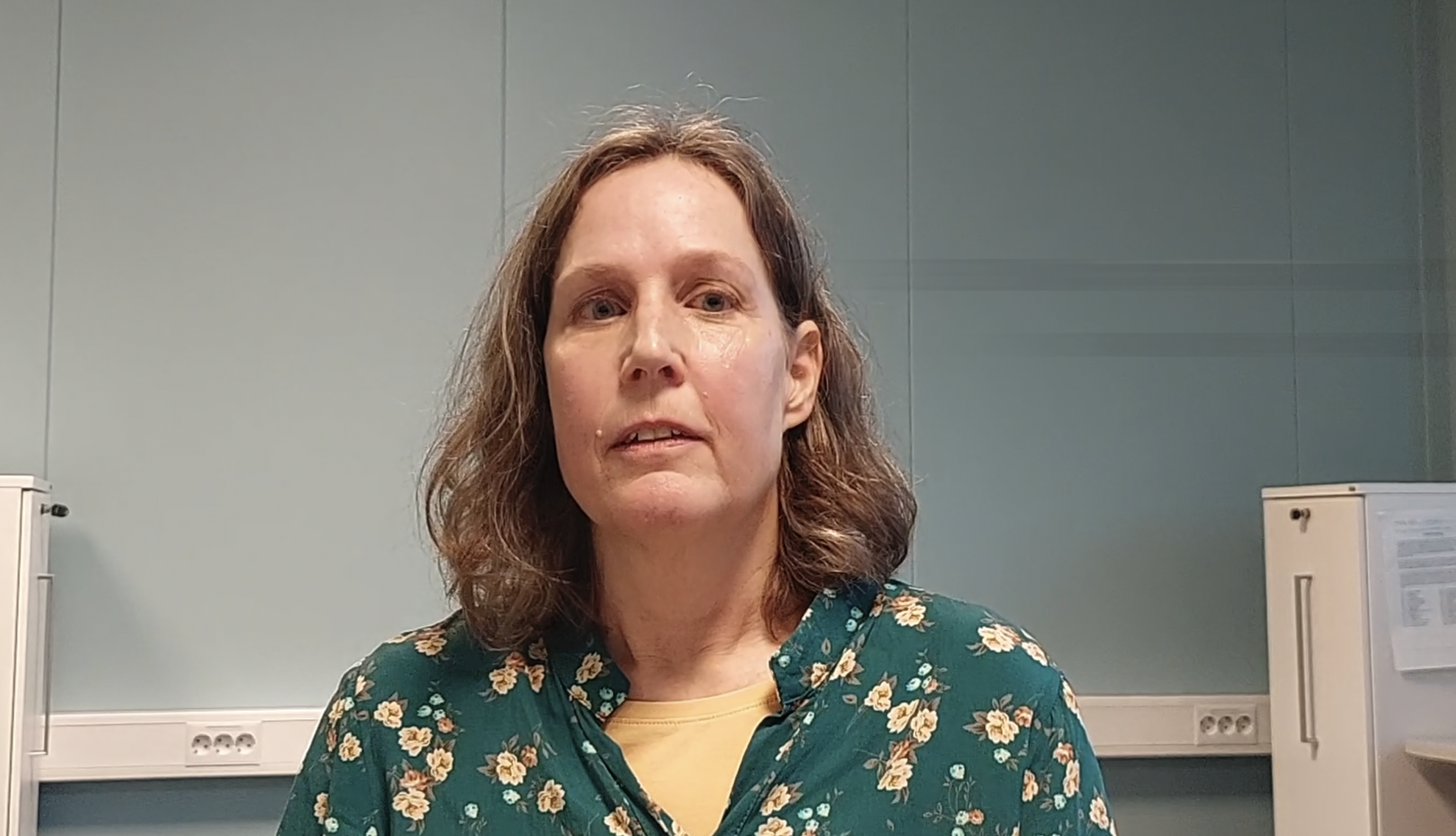
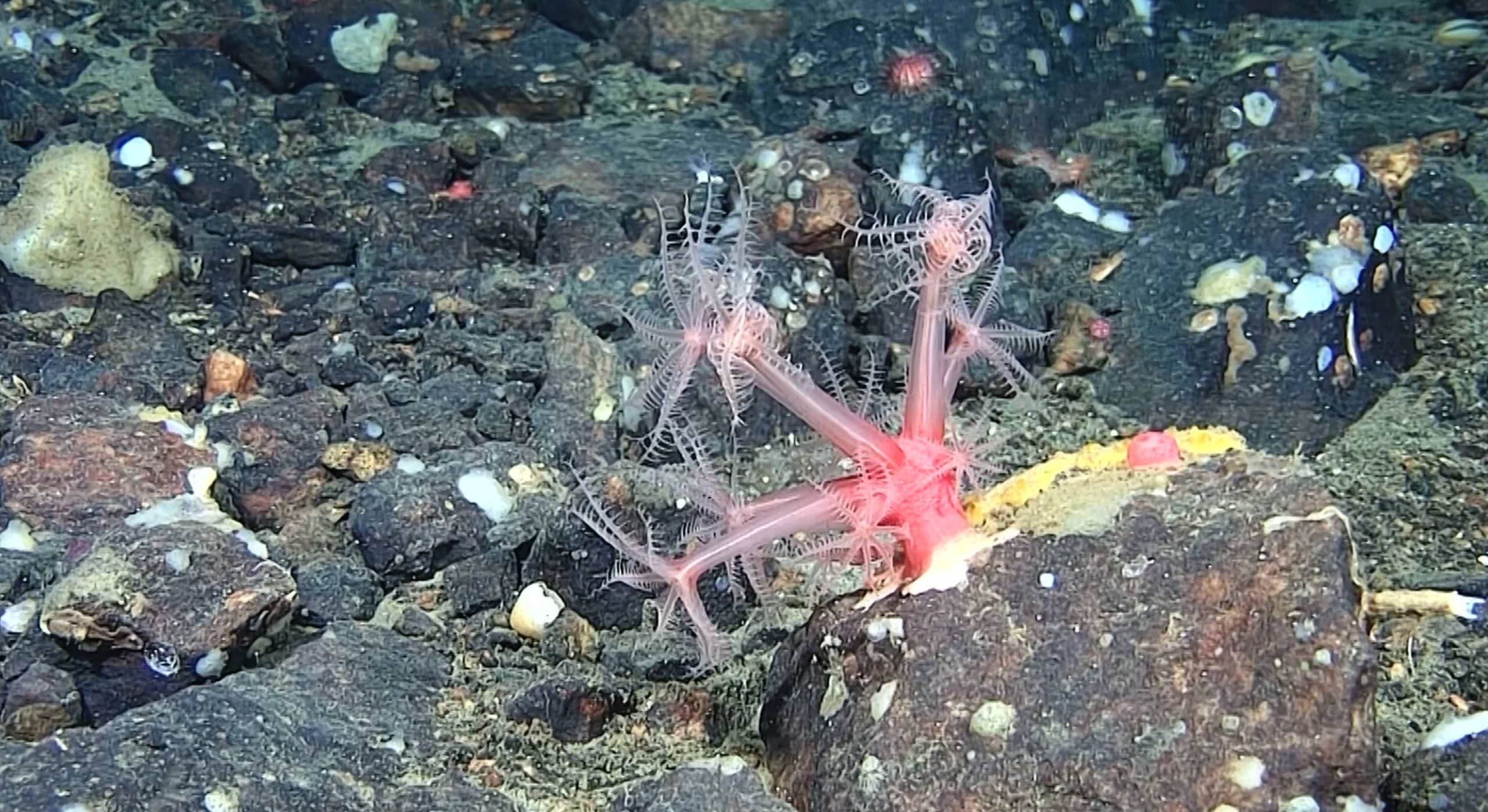
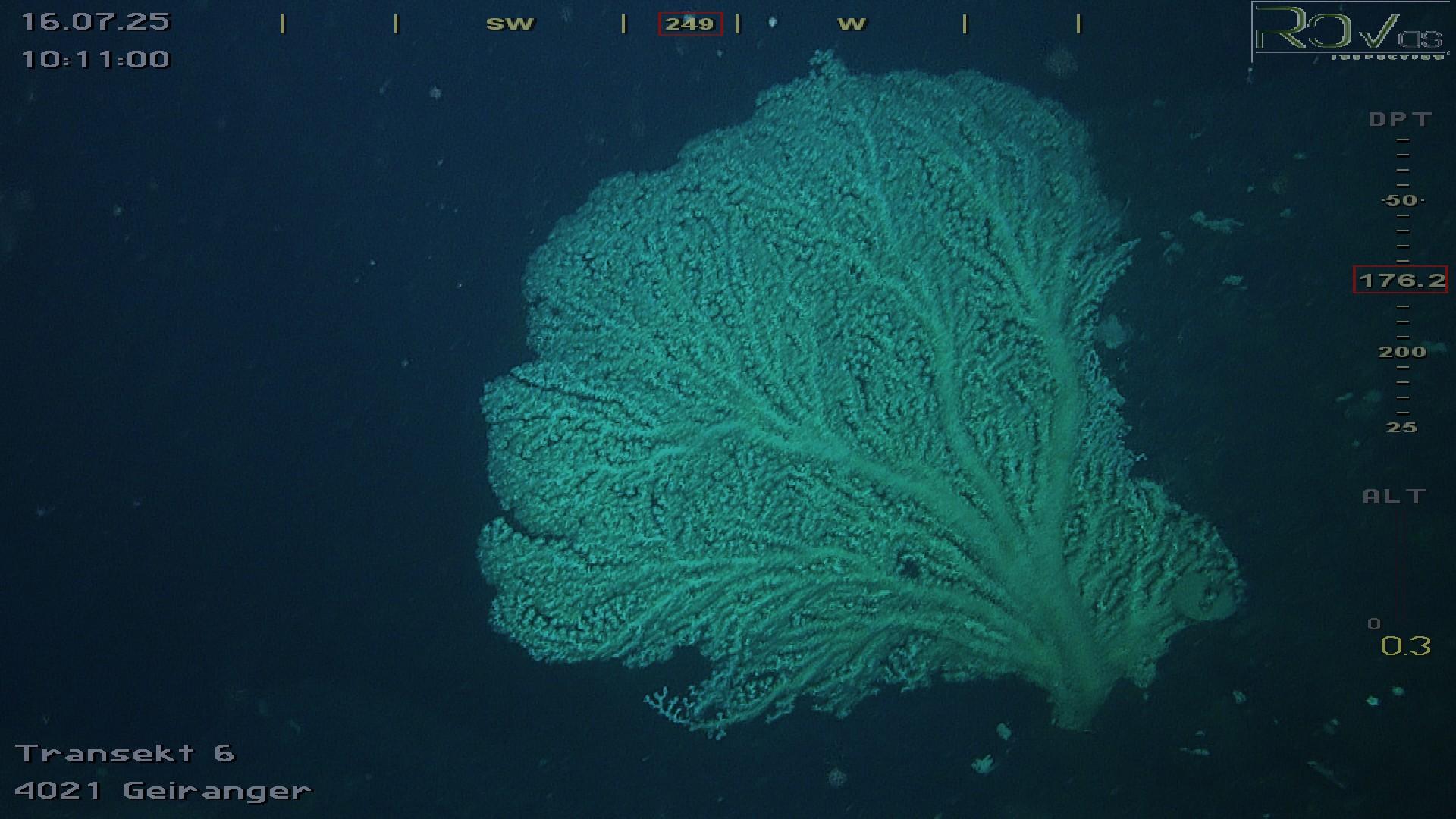
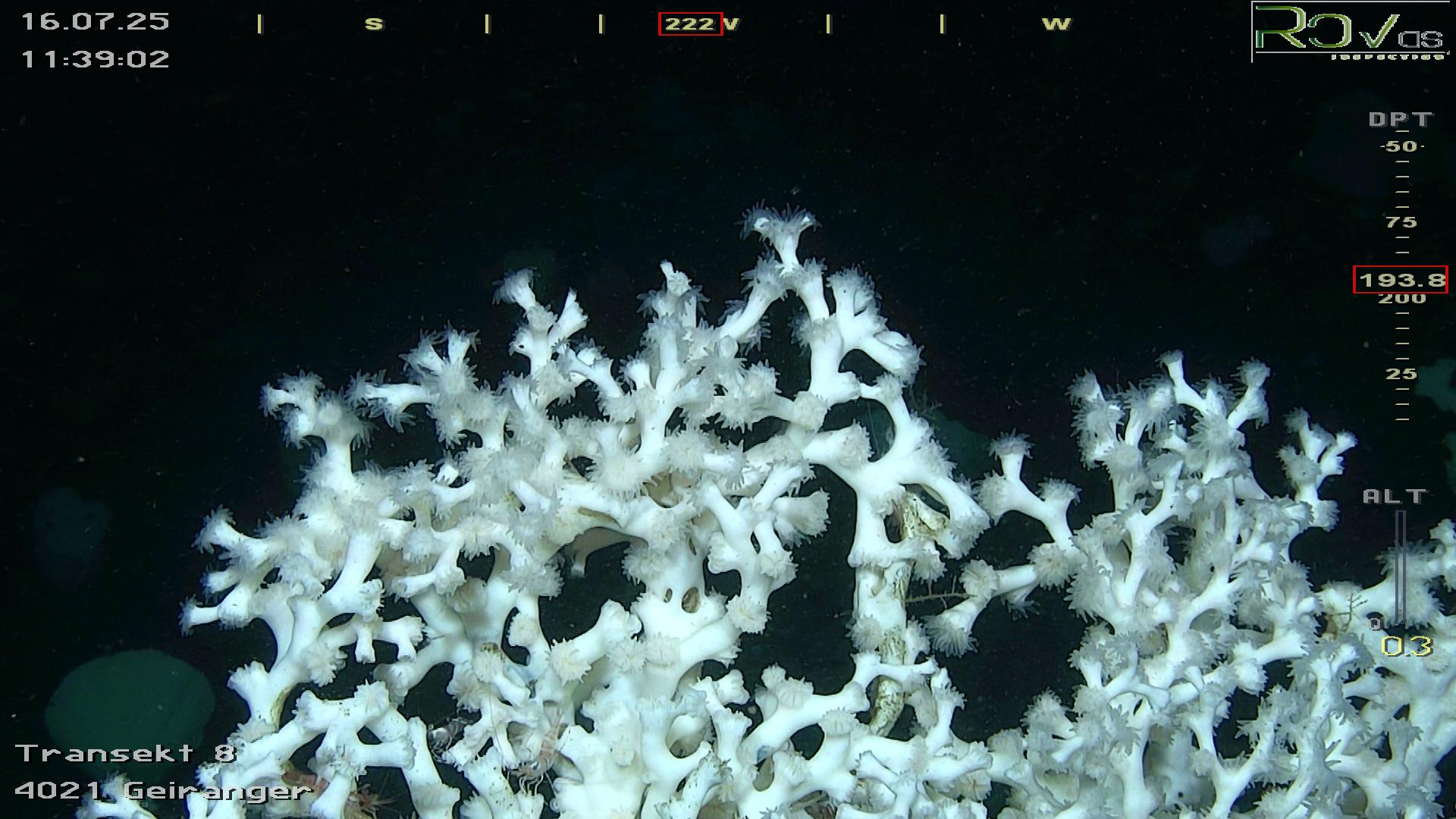
Before the dive, we assumed the ROV would likely find communities of deep-sea sponges and seapens. Instead, as the ROV’s lights pierced the dark, the screens in the control room lit up with massive, complex, and healthy coral reefs. As marine biologist Christiane Todt recalls:

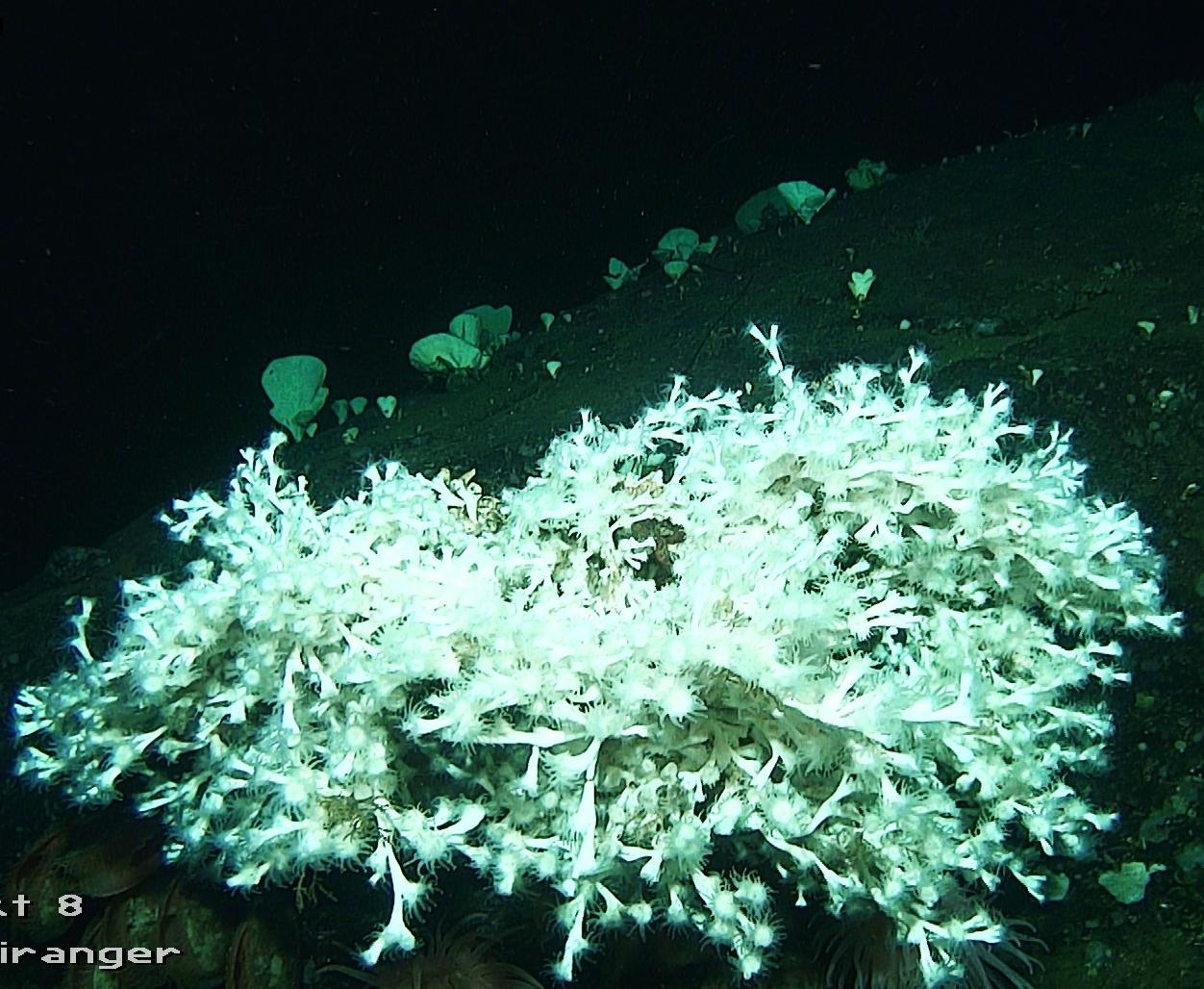
"We were filming the sea floor and we saw some sponges and lots of different fish, but suddenly—and this was really surprising—there was this stone coral reef with a lot of living coral, and it was quite large. It was really great to see something like that 100 kilometers from the open ocean. This is really special"

Christiane Todt

Author picture

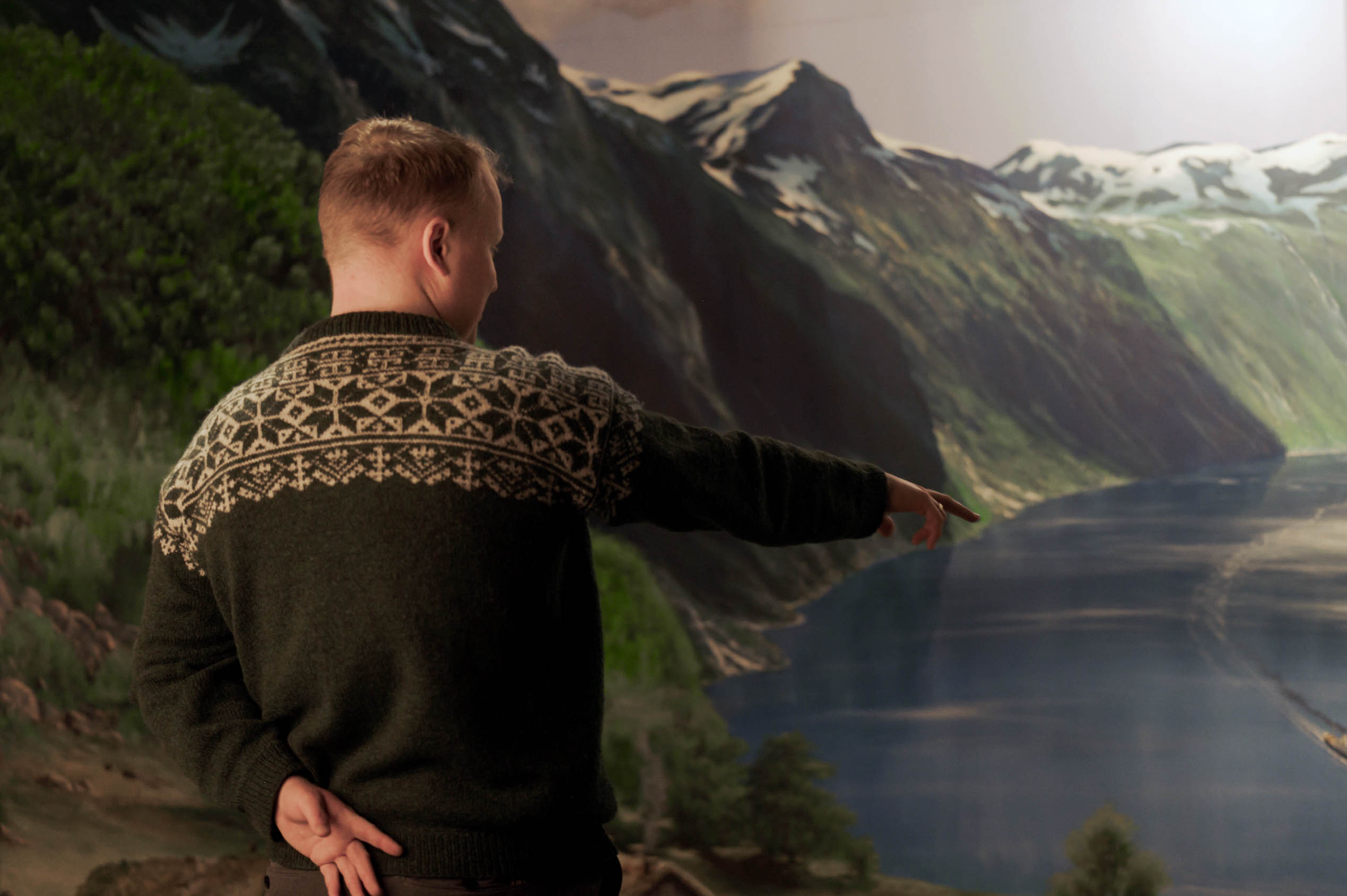
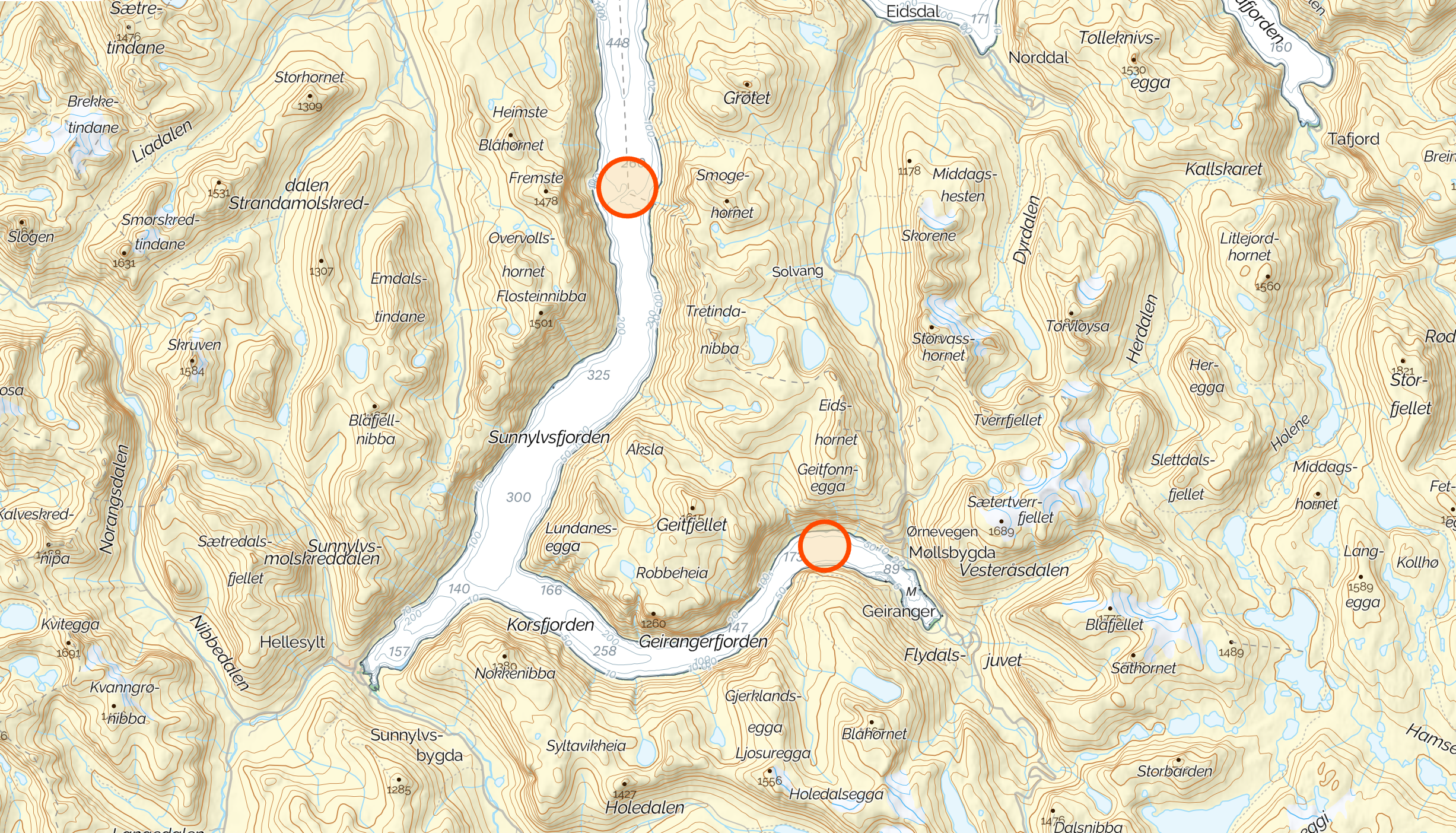
Remarkably, these thriving deep-sea cities are located right in the middle of our most famous waterways, situated exactly between the iconic Seven Sisters waterfalls and the town of Geiranger. “If you take a cruise on Geirangerfjord, you probably will pass right over those reef areas,” Todt notes

Marine biologist Ørjan Sørstrønen Vabø points out where the corals were discovered—right between the famous waterfall and the town of Geiranger.

Down in the dark, millimeter-sized animals have spent centuries building limestone structures up to 4 meters tall. These pale, ghostly builders —primarily the Eye Coral (Desmophyllum pertusum)—prove that life does not need the sun to build a city; it only needs the dark current and time.

Finding such massive structures only in 2025 was a humbling moment. It is a stark reminder that our understanding of the fjord’s biodiversity is still in its infancy. After all, unmapped does not mean empty, and finding these reefs poses a crucial question about how we approach future development with the wisdom of uncertainty.

A Bustling Underwater Metropolis

The research revealed that this hidden metropolis stretches across the protected World Heritage area. While massive Eye Corals build their foundations beneath the famous waters of Geiranger, the deep sill of the neighboring Sunnylvsfjorden hosts a different kind of magic. Here, Sea Trees rise like a vibrant forest, and deep-sea sponges filter the freezing water. Far from being just cold water, our protected fjords are a crowded neighborhood where every species has a job.

The corals were found in World Heritage Area: Sunnylvsfjorden and Geirangerfjorden

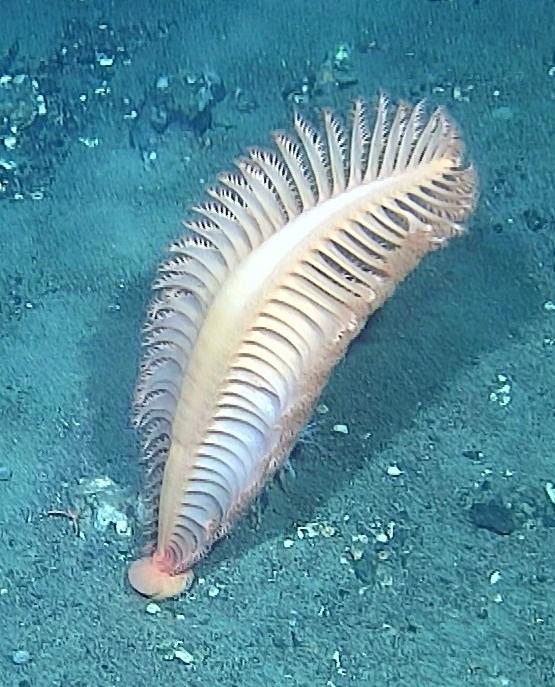
Life extends far beyond the hard rock walls. Even the flat, seemingly barren expanses of soft mud are conquered by delicate colonial animals that look like old-fashioned quill pens or living feathers.

"To have these oases of life where you can find smaller organisms that can thrive... they can have a spillover effect. You have fish coming there, getting food, going out and being eaten by fish in other places. It's really a hot spot for biodiversity, which is important for the rest of the ocean."

Ørjan Sørstrønen Vabø

Author picture

The Fjord’s Nursery (Barnehage)

This hidden metropolis is not just a scientific curiosity; it is the lifeblood of our local traditions.

The complex reef structures act as a vital nursery—a barnehage—for the fjord. Small fish use the countless hiding spots to shelter from strong currents and predators while they grow. For generations, local fishermen have sought out the coral area, specifically known as a good zone for catching Lange (Ling), Brosme (Tusk), and Uer (Redfish). They have essentially been harvesting from the roof of a coral nursery—a delicate balance that makes us reconsider exactly where our dinner actually sleeps.
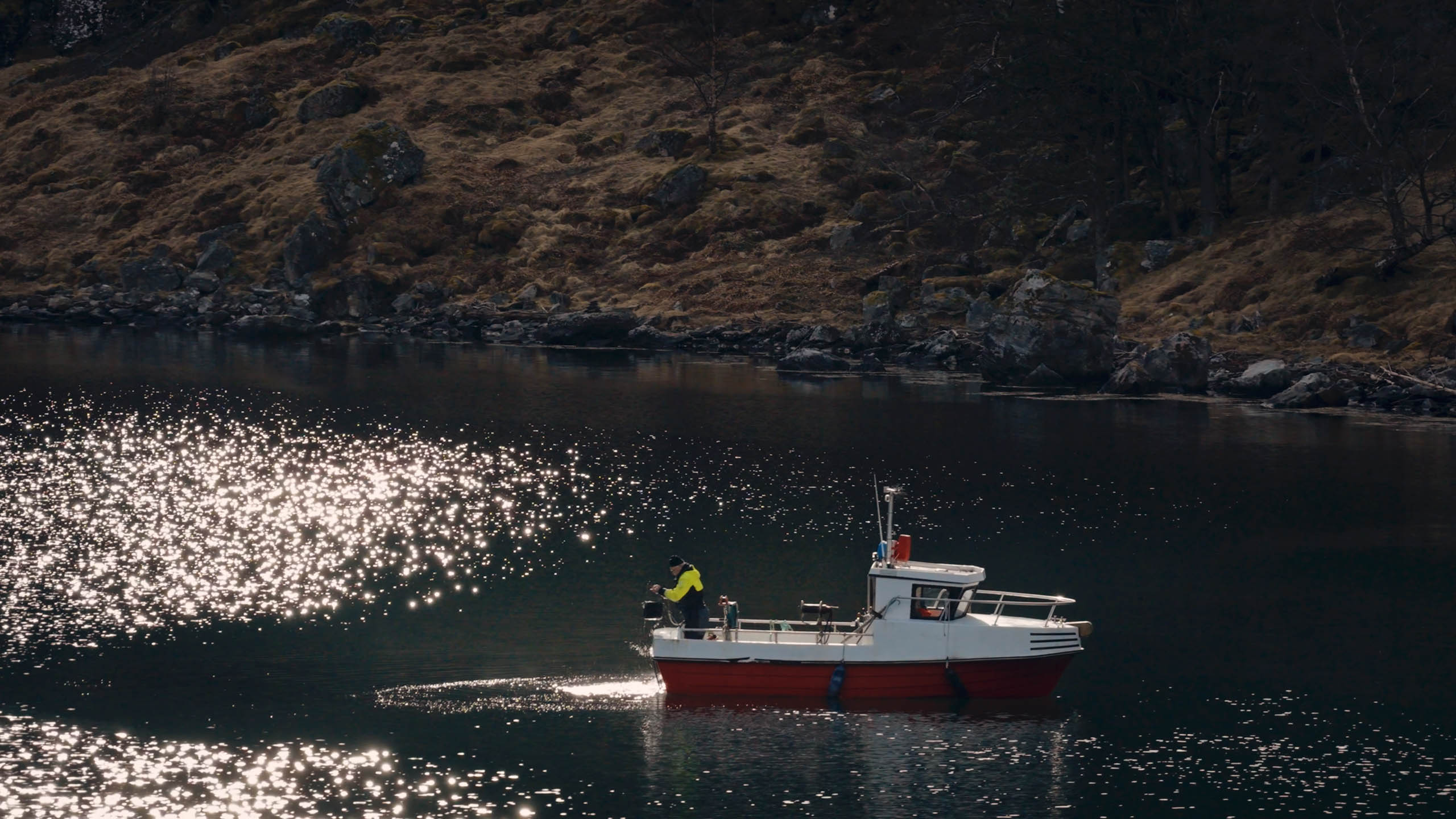
For local fishing enthousiast Tor Hole the sheer scale of this living city was a revelation. “It was a surprise to me that there were multiple species, on such a large scale, and in different colors,” Tor explains. He has spent a lifetime floating right above this hidden wonder:
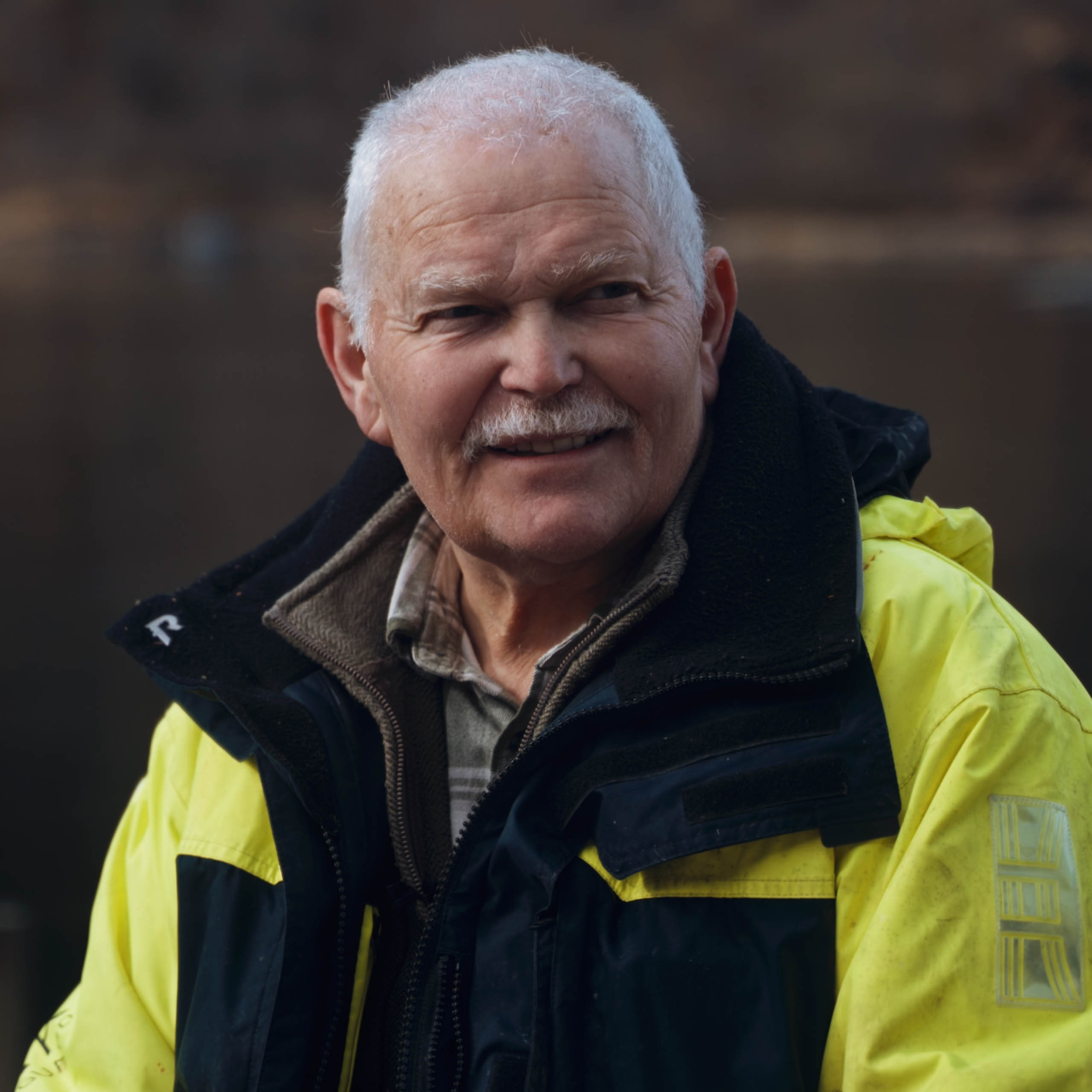
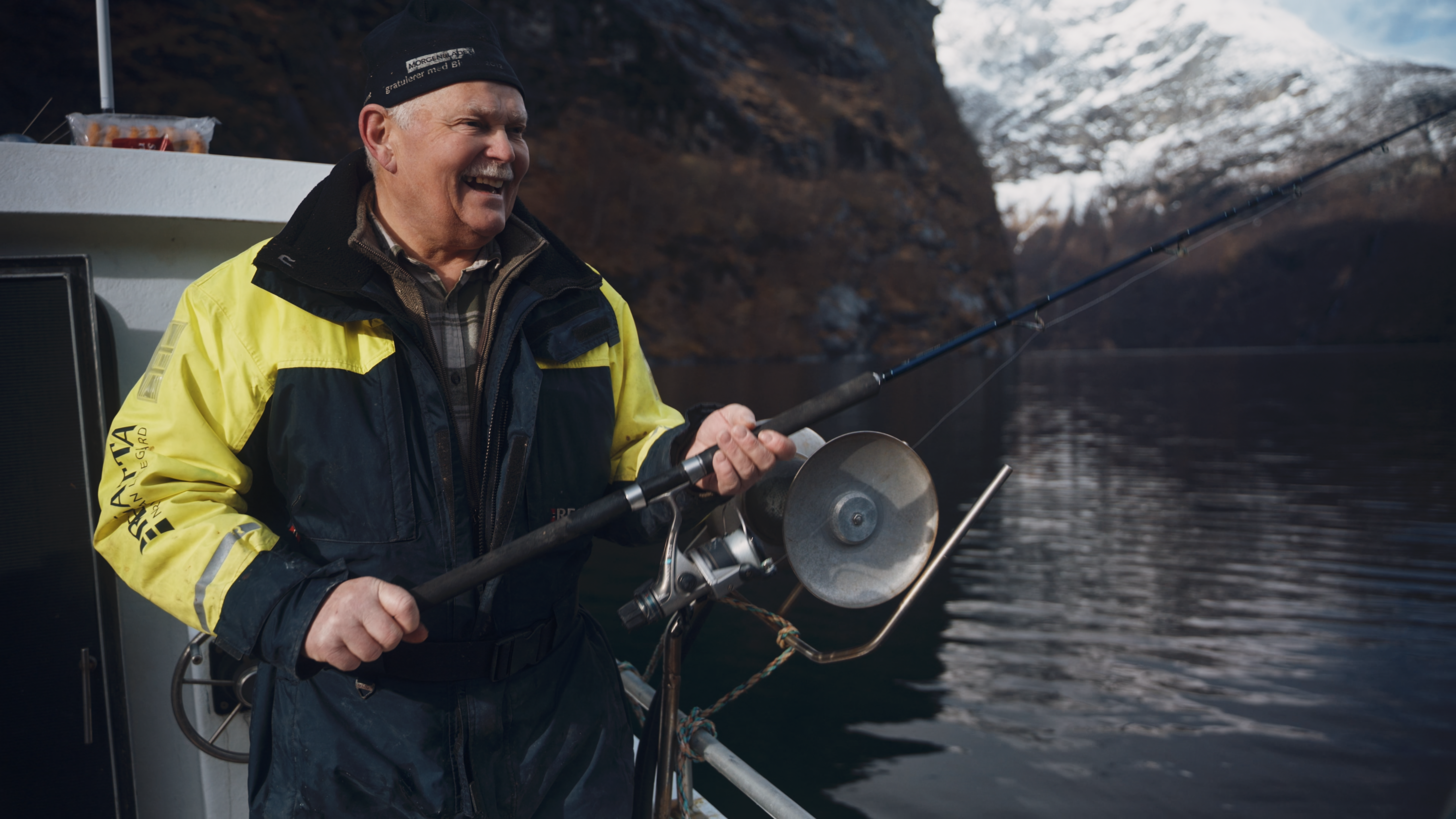
"I started fishing with my grandfather when I was 8–10 years old. We didn't have a motor back then, so we had to row out toward the Seven Sisters"

Tor Hole

Author picture

Our fishermen aren’t just harvesting; they are actively guarding these areas. Because locals like Tor Hole use traditional, passive fishing methods like nets, handlines, and trolling, the researchers observed no obvious fishing damage to the reefs. Furthermore, local fishermen are relieved that large-scale industrial fishing has stopped in the fjord

As Tor points out about the industrial ships that used to empty the fjord, “if the herring disappears, you have no other fish either”.

Knowing this ecosystem exists forces us to rethink how we manage the water. While the inner fjord provides a safe haven, the migratory routes of these fish through outer gateways like Storfjorden are still exposed to industrial fishing. It begs the question: does it make sense to strictly guard the living room if we allow bulldozers in the hallway?

Furthermore, even local activities on land—like road construction or rock dumping—can send fine dust traveling for kilometers underwater, smothering the fragile polyps. Maybe we can look for a balance between man and nature, by taking precautions not to bury these beautiful living creatures

Expanding Our Heritage

When the West Norwegian Fjords received World Heritage status, we did not even know these 500-year-old corals existed. Our Outstanding Universal Value (OUV) was based on the majesty we could see above the surface.

This discovery suggests that the area is even more unique on a global scale than UNESCO originally realized. Our World Heritage status was based on what we could see. Now that we know about the biological wonder in the deep, our responsibility to the world must go deeper, too.

The hidden treasure has been found. Now, it is up to all of us to make sure it thrives for another 500 years.

Table of contents

Leave your email adress

If you want to receive careful, well-thought-out insights from the West Norwegian Fjord area directly in your inbox, no more than a few times a year:


Related posts

Green Fjord Conference 2020

The Green Fjord Conference will be held for the fourth time in 2020.

Green Fjord Conference 2020 #2

The Green Fjord Conference will be held for the fourth time in 2020.
Contacts for the Geirangerfjord area

www.fjordsenter.com

Geirangerfjord World Heritage Foundation
 
Contacts for the Nærøyfjord area
Nærøyfjorden World Heritage Park
General Manager/World Heritage Co-ordinator
Gry Mørk
+47 951 41 438