Home » Insights
Insights
We want to share groundbreaking research, celebrate our local culture, and honor the nature we promised to protect.
Photo Per Eide
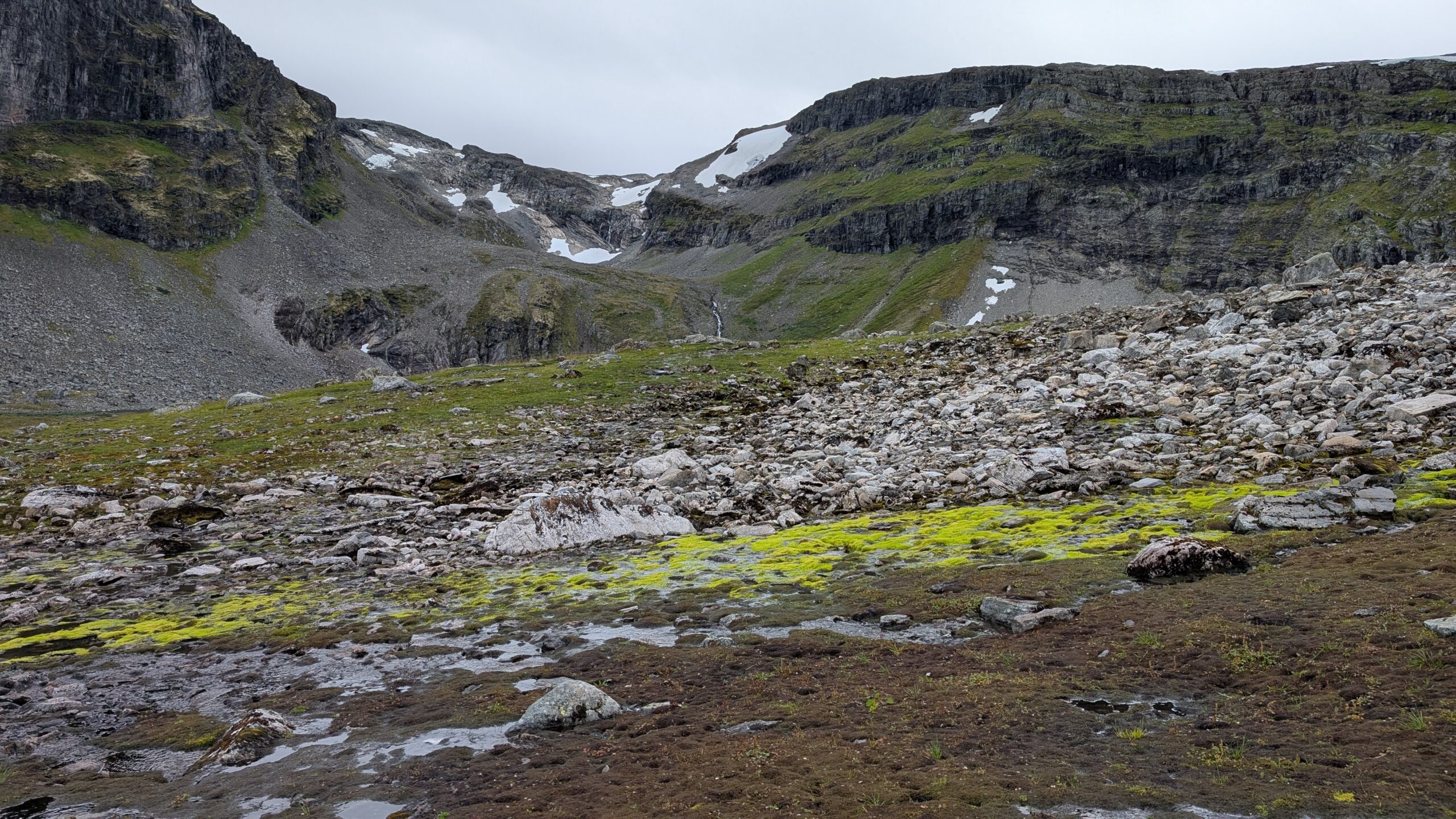
In the mountains snow remains on the ground well into summer and unique mountain habitats develop. These areas, known as snowbeds, are home to species adapted to short growing seasons, persistent snow cover, and moist soils. As ice and snow melt, snowbeds are also becoming increasingly important as indicators of how climate change is affecting the natural environment of the West Norwegian Fjords.

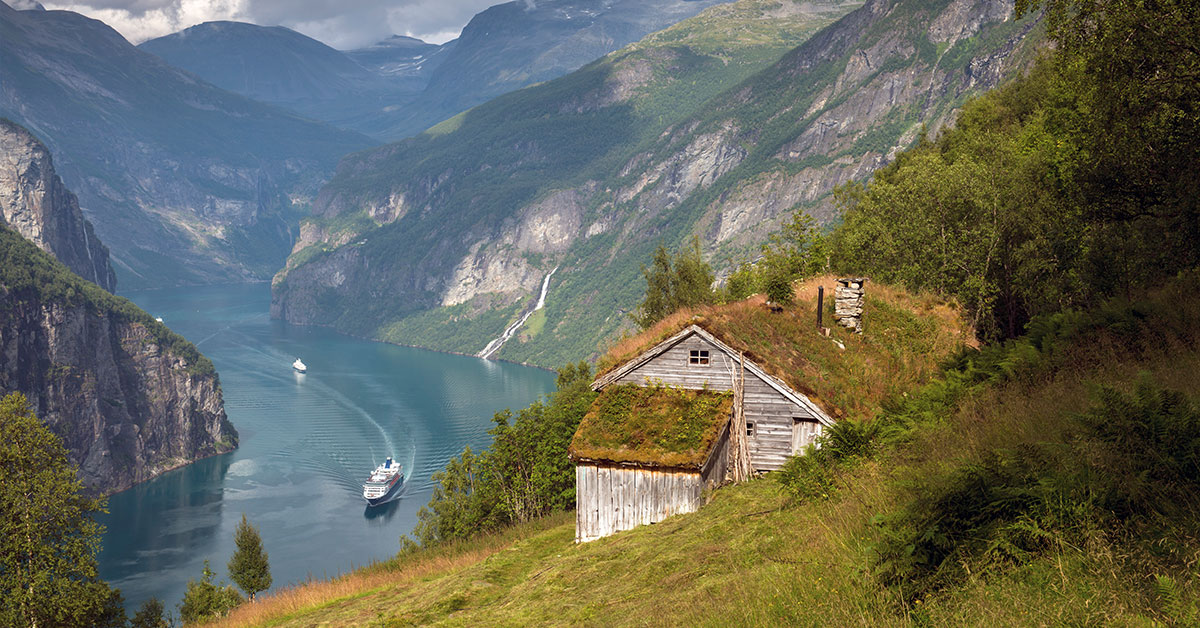
The dramatic landscapes of the West Norwegian Fjords were shaped by ice, water and geological processes over thousands of years. Today, they are entering a new period of change. Rising temperatures, heavier rainfall, shorter snow seasons and increasing natural hazards are starting to affect the World Heritage area. Understanding these changes is essential if its outstanding natural and cultural values are to be safeguarded for the future.